
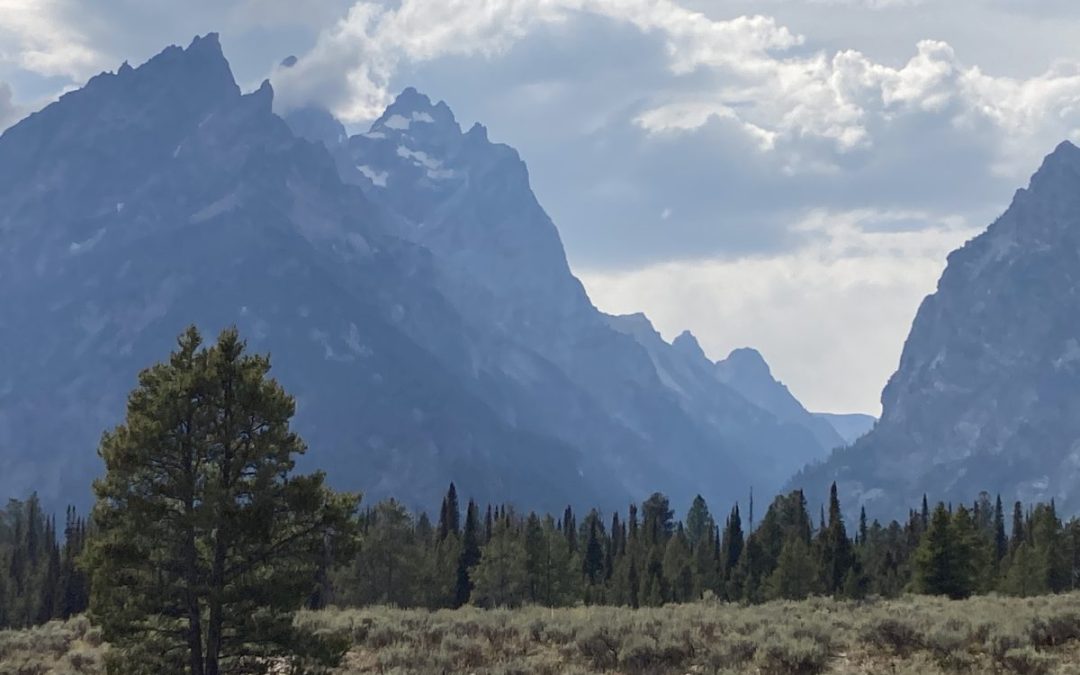
I always stop by Jackson Hole now on my biannual drives both north and south from Tucson to Seattle’s here seeking the late summer storms–and I am not disappointed. For two weeks the skies rumble and an occasional lightening bolt strikes a peak. Forest fire smoke cloud follows me from Ellensburg south all the way.
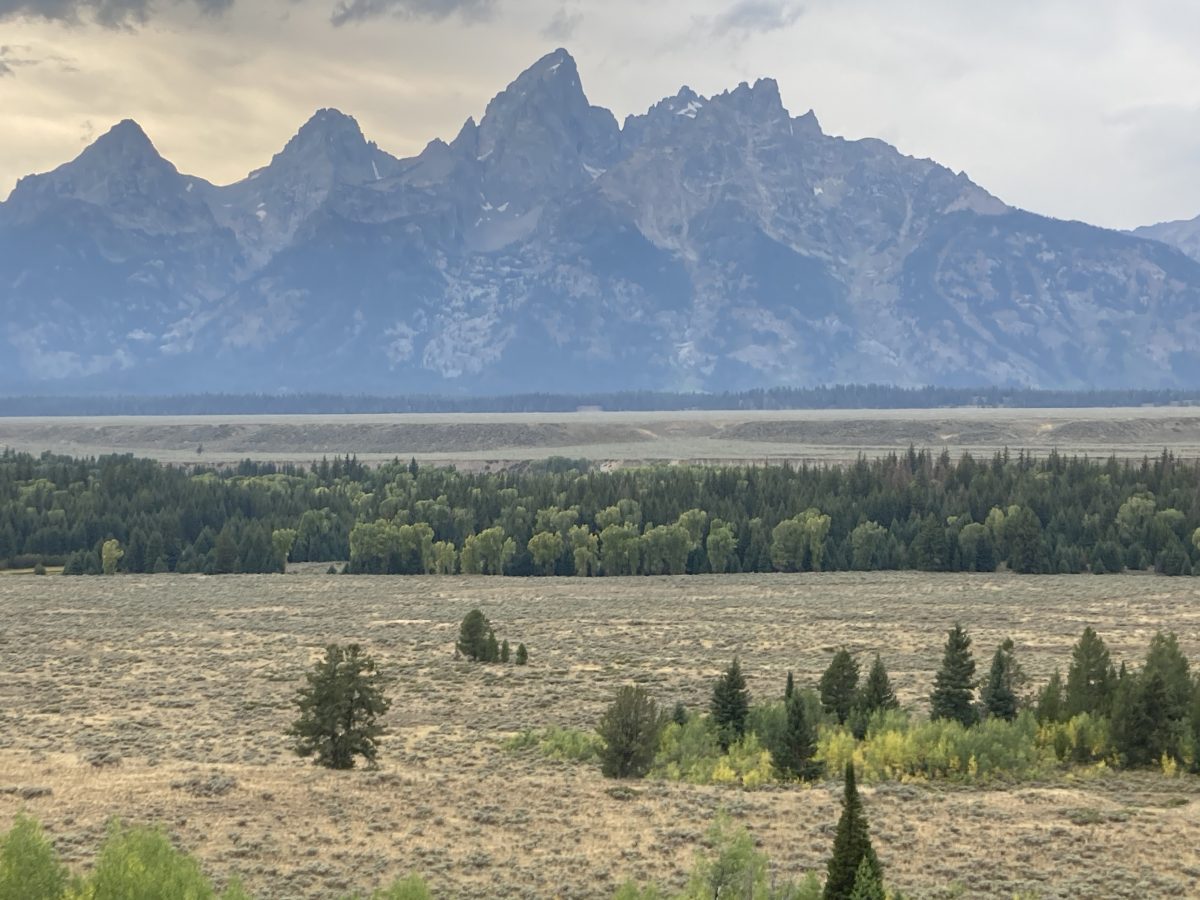
There is virtually no snow in the mountain–and not one bison, antelope or elk visible. But there are tourists! My barometer of visitation is the length of cars parking on the side of the road north and south of the Jenny Lake Junction. This fall it’s about 1/2 mile in both directions.
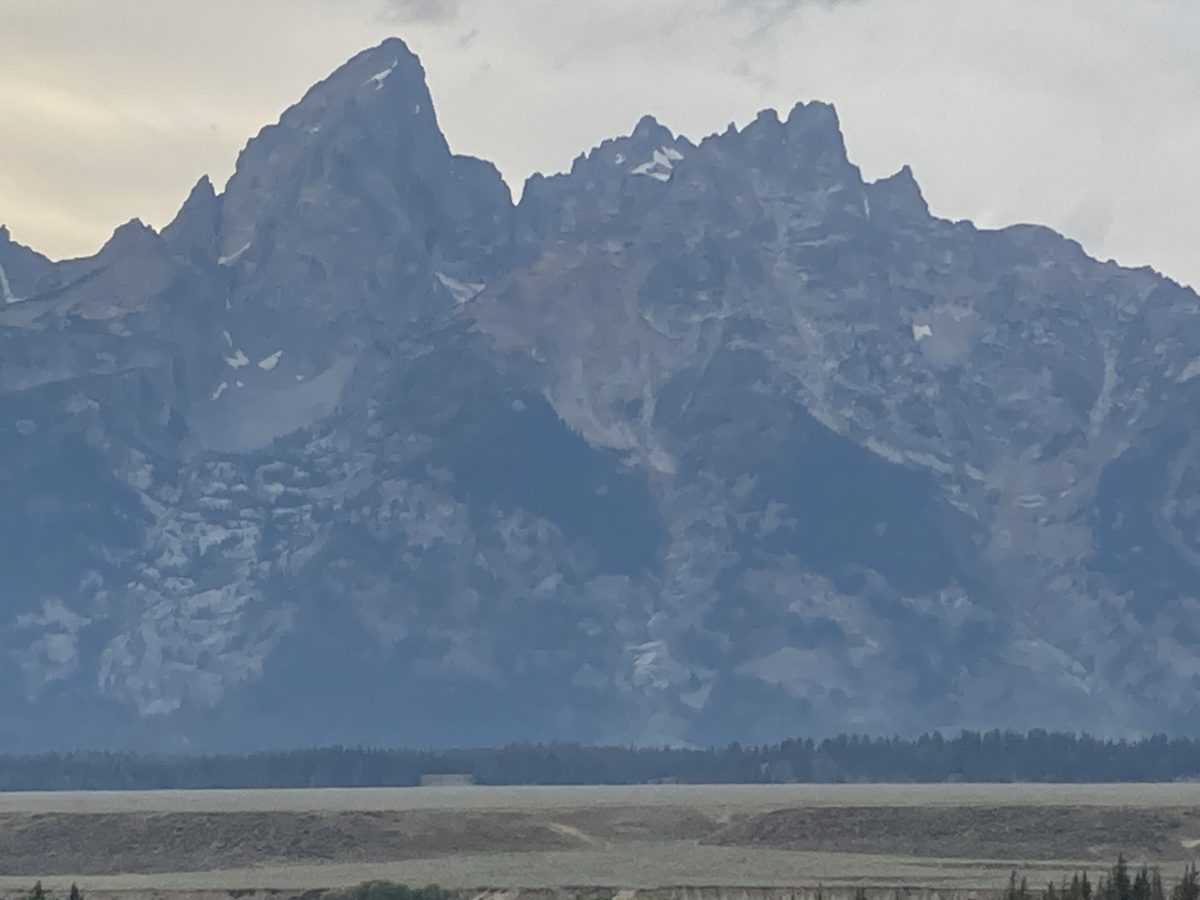
For those who haven’t visited the Tetons, do so before they disappear. A relatively young range, still growing at about 1/4″ annually shows signs of wear and tear with several recent rockfalls. The Grand Teton dominates the range at 13,775′–from left to right is Disappointment Peak, Teepee Pillar (named after Theodore H. Teepee who died there in 1925), Petzold Ridge of the Grand, North Ridge Grand, The Grandstand with the “V” notch with Mt. Owen right of this notch. Mt. Teewinot (“Many Pinnacles”) and Crooked Thumb on the right. Jenny Lake Campground is in the trees on the far right. I spent 7 years there.
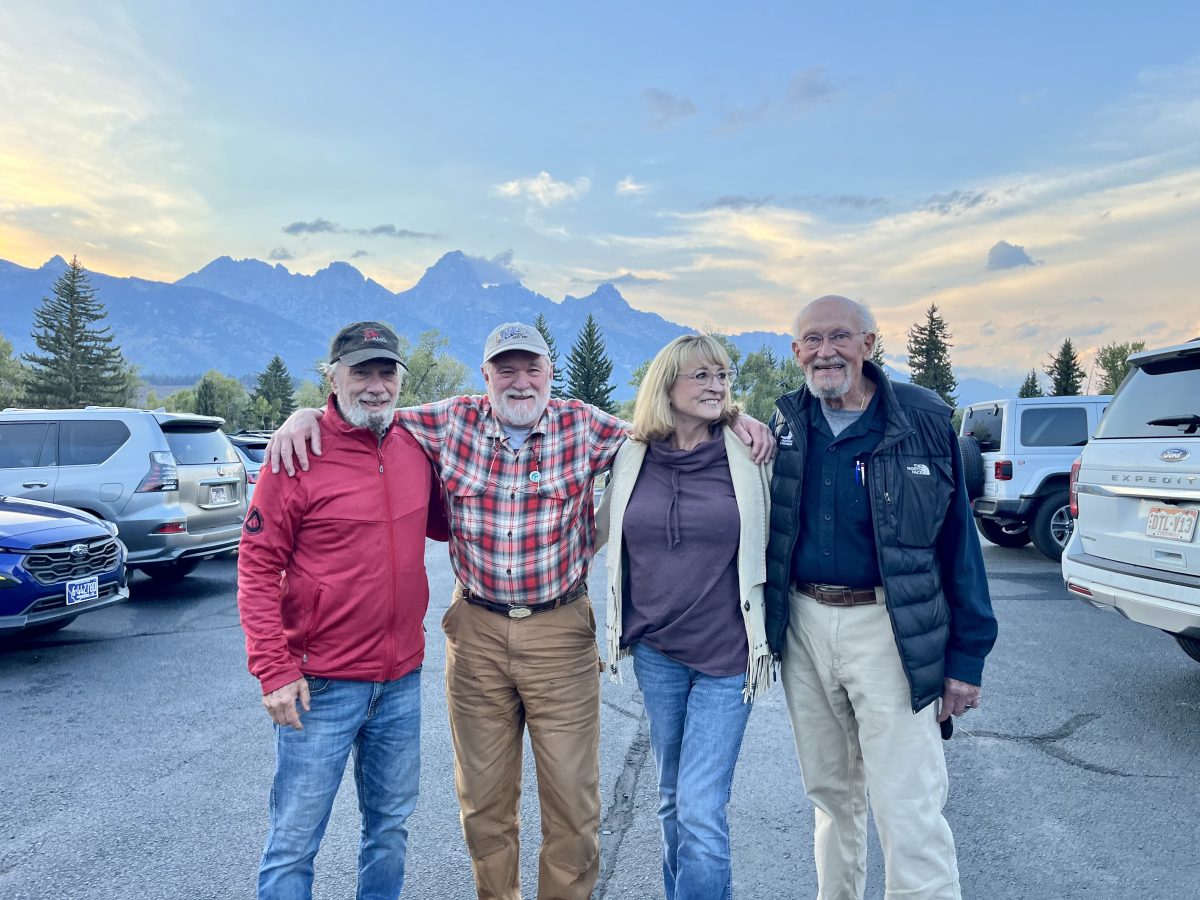
Old college buddy, Clark Gerhardt, yours truly, Lorna and David Peterson at Dornan’s. The older we get, the better we were.
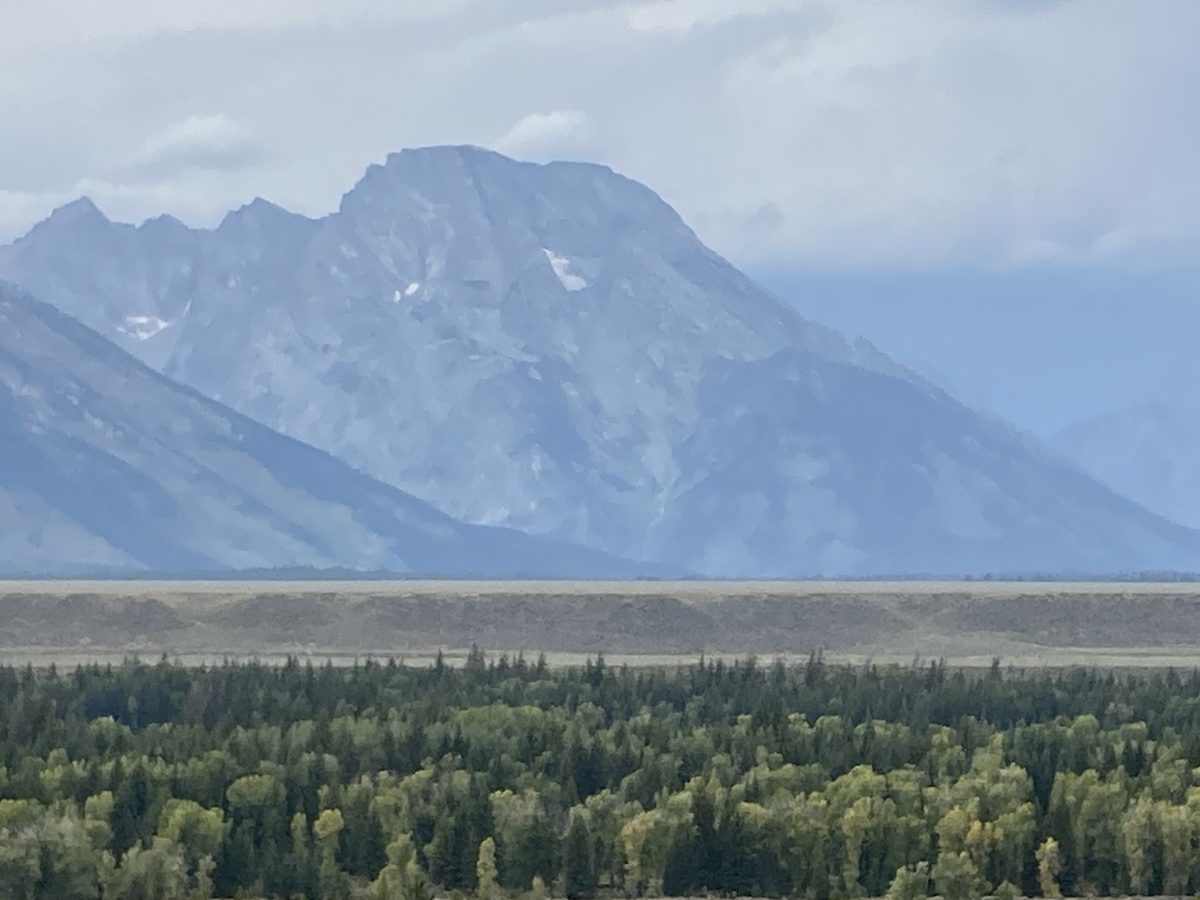
Mt. Moran from Dornan’s. Dornan’s is a fixture in the valley–homesteaded in the 1920s by Evelyn Dornan and built up by her son, Jack, into a loveable place–kind of like an old saddle: bar, gas pumps, chuckwagon dinners, a first rate restaurant, and one of the finest wine selections west of the Mississippi. They rent cabins and canoes, too. Jack didn’t take kindly to the park after they bypassed his gas-pumps with a new bridge in the 1950s so he put up a huge “Eat Here” sign on the side of his barn and a 150′ rotating light beacon–right in the middle of the park*. Well, one morning in 1970, I was called out on road patrol about a twin engine airplane that had emergency landed at Moose Junction. I drove out, secured the area (it was slightly foggy) and talked to the pilot who saw the beacon through a hole in the clouds and thought it was the airport. The NPS called the FAA and the beacon was taken down the next day. Jack’s son, Bob, ran the place for the next generation and today it is still run by the family; now about 1/4 way through a 99 year lease.
*John D. Rockefeller Jr. bought up all the land in Jackson Hole under a “pretense” cattle company and traded these lands for oil leases in Southern Wyoming. Many ranchers refused to sell and stuck it out–one of them was Jack. This 20 acre “inholding” was later purchased by the park (willing buyer-willing seller agreement) with a 99 year lease. Many inholdings are still working ranches within Grand Teton National Park. The Airport–isn’t one of them.
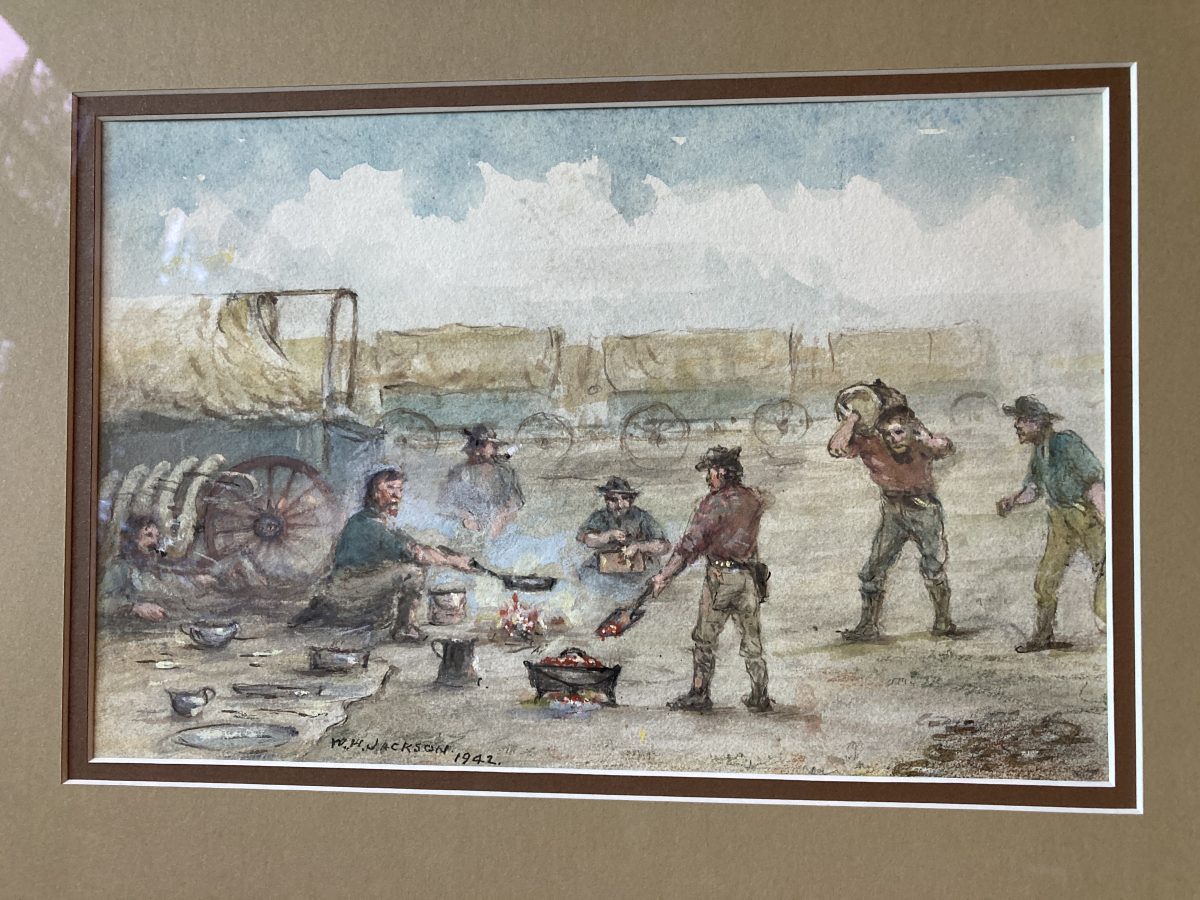
While in Jackson, I attended the Fall Arts Festival and Art Auction. Normally I don’t attend these but after spotting this beauty, I registered a number and got this without a competing bid for half the minimum! There’s a story behind all art, of course, and no one (but me) recognized what this story was. It’s painted by William Henry Jackson who along with Thomas Moran, were the first to document the Yellowstone in 1871 on the Ferdinand Hayden Survey which convinced Congress to establish our first national Park. Jackson in later life painted scenes from his photographs and inserted himself in many of these–here holding the frying pan.
Now, the reason I knew all this was on my last trip out to Washington DC, I signed books for the Department of the Interior Museum staff and they took me through their recent exhibit–that of Thomas Moran and Wm. H. Jackson’s paintings. This is where I first heard this connection–Jackson the painter vs. Jackson the photographer. It was photography where his fame took hold but he began and ended his art career as a watercolorist. His mother was also a superb watercolorist as was his great uncle–who created the iconic figure “Uncle Sam.”
While Jackson deserved to be the namesake for this valley, this honor fell to an earlier Jackson–David E. “Davey” Jackson who spent the winter there fur trapping in Jackson’s Hole 1929. The “‘s” was dropped when phone books were first printed–business names could not be hyphenated–nor apostricated–or whatever the word might be–and half or more carried that name–so everything became Jackson Hole.
The date on this painting, 1942, was the last year of Jackson’s life–he lived to be 99 years old. In my book, page 13, I found a stunning photo of him standing with Fritof Fryxell and Herbert Collins together on the Western Museum Laboratory steps. You can revisit that photo here (scroll down about 2/3). This is one of the most significant photos in the NPS Collection, methinks. Taken in 1934, Jackson was 93 years old at the time, if my math is correct.
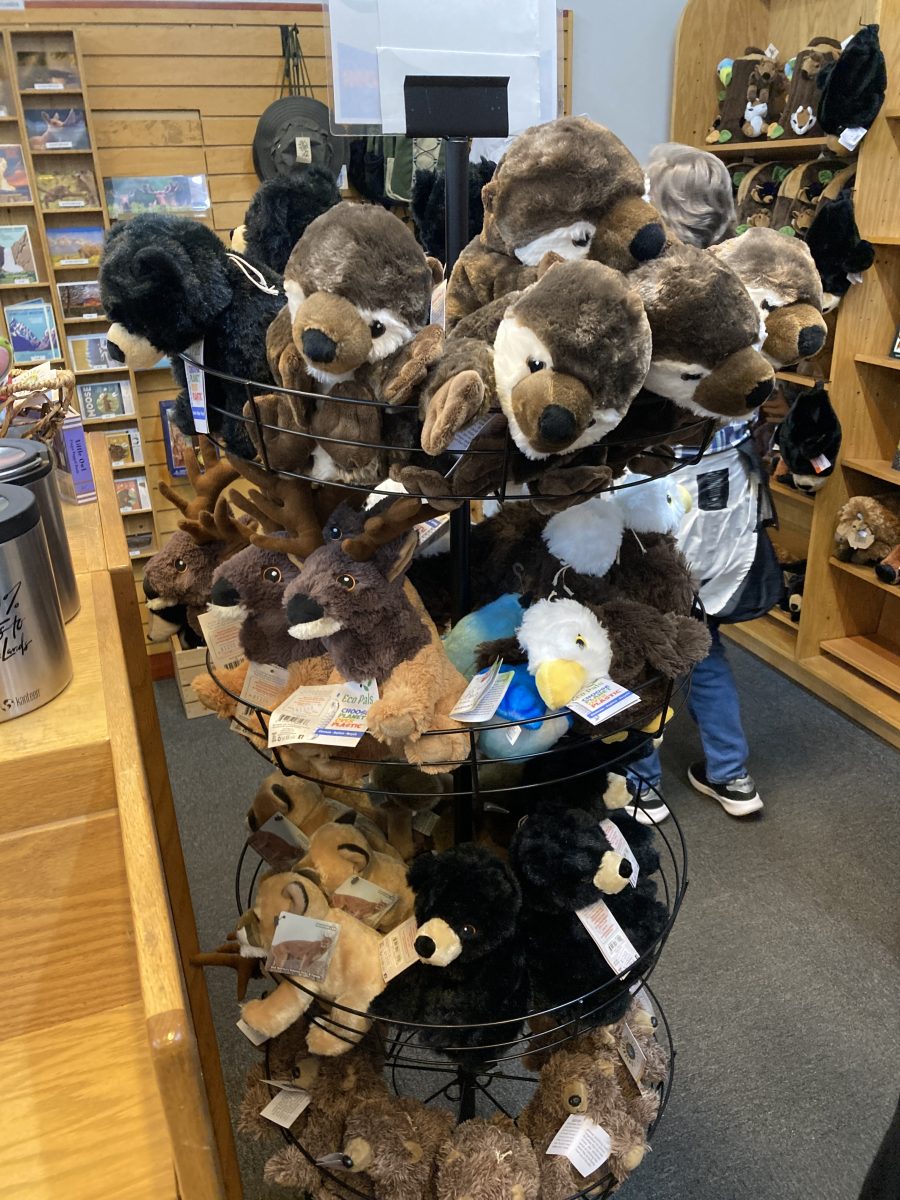
Visiting park bookstores, I continue to agonize over the take-over by privateers and off-shore junk, but you’ll have to re-read my earlier blog on how all this comes about here.
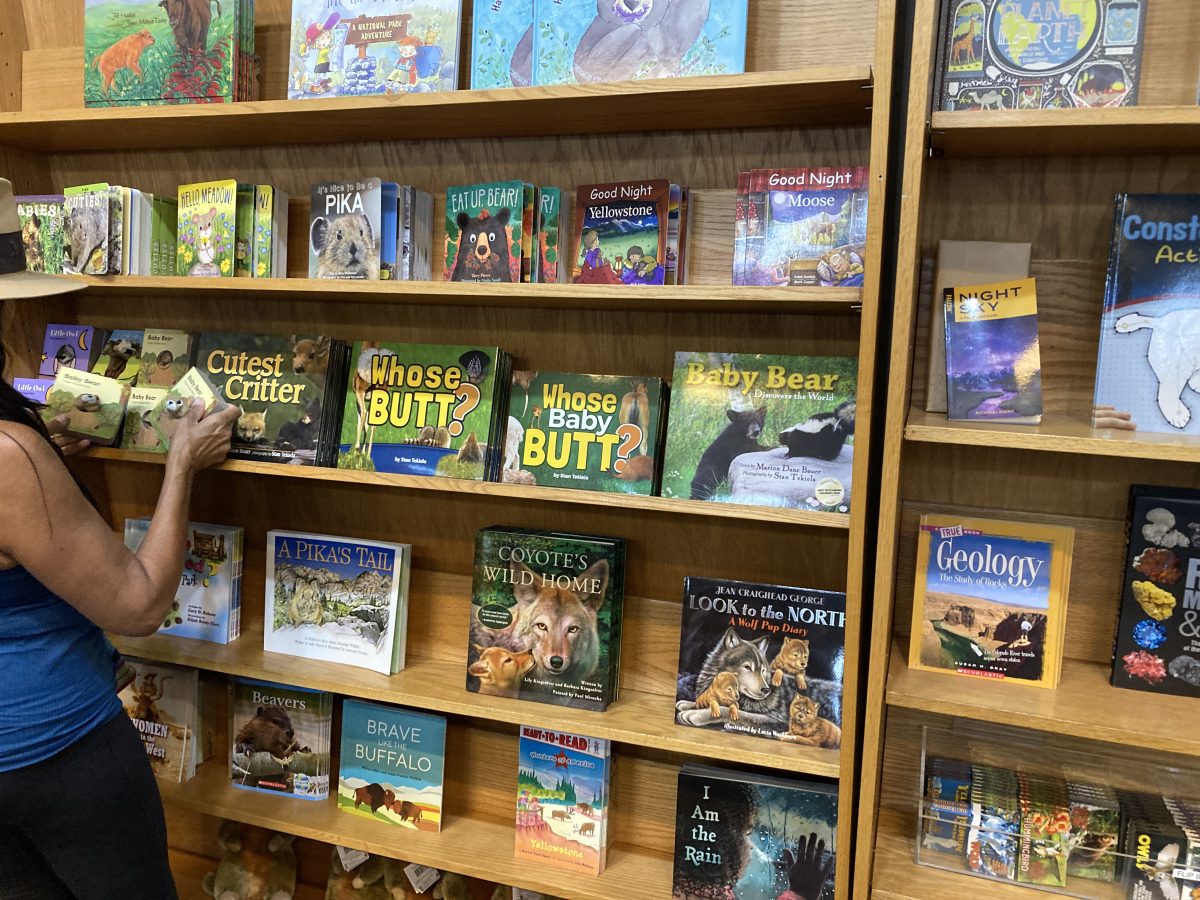
My book is on the bottom shelf across the room–30 years of research and discovery and 3 years to write it. And, I had to ask where it was located. At least they have one geology book. Parks need to reinvent their marketing strategies and start selling interpretive materials and put this other junk in the concession stores across the street along with the mosquito repellent and rubber tomahawks. And a posthumous note to Ronald Ray-Guns–NPS Bookstores are not the prime source to fund our parks–Congress is. Let’s raise the bar!
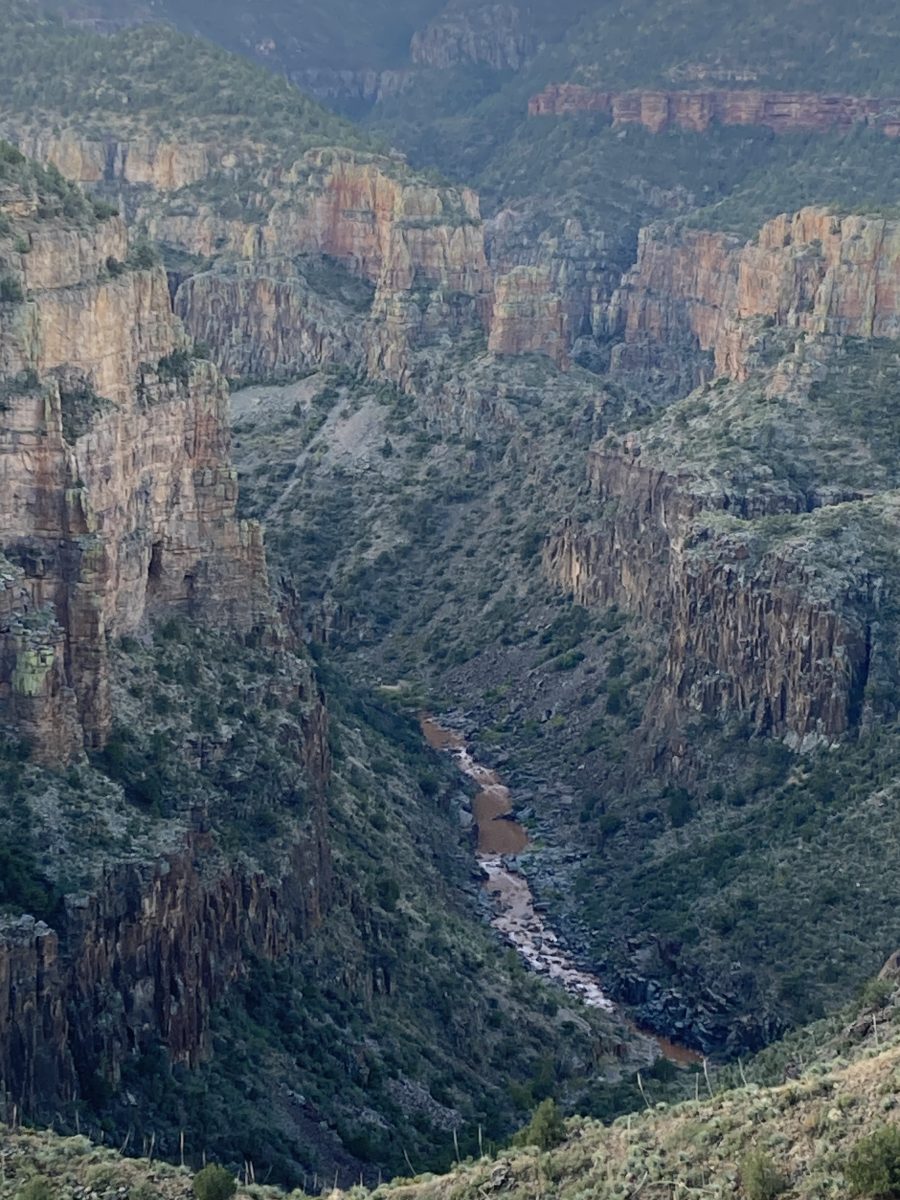
OK–something about Salt River Canyon in my title. There are many drives in the west that show spectacular geology as you step out the door of your car and this is one. It is located between Show Low and Globe Arizona on Route 60. (The other is Wind River Canyon, Wyoming between Shoshoni and Thermopolis on Route 20/789). This is Apache country and you’ll understand how the Apache (and Comanche) avoided capture for so long when you visit here.
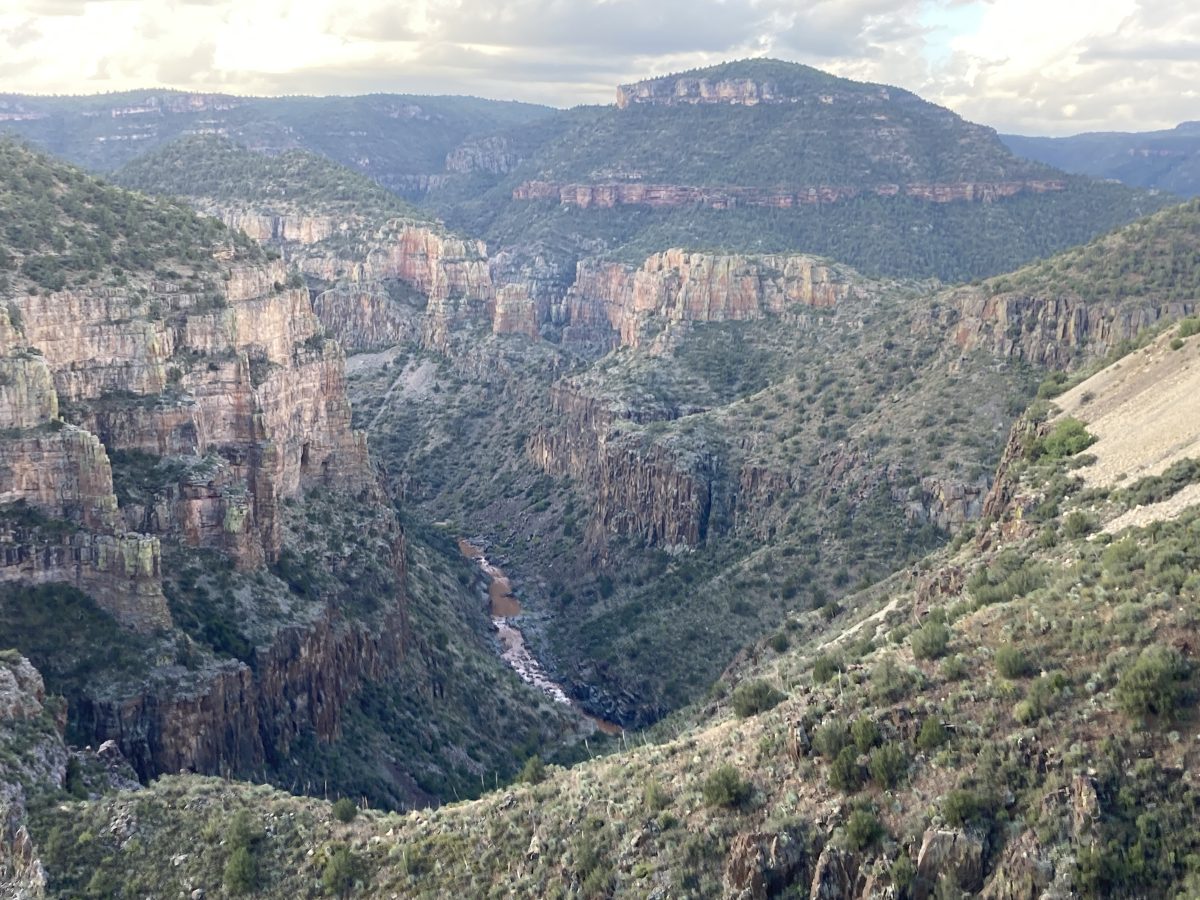
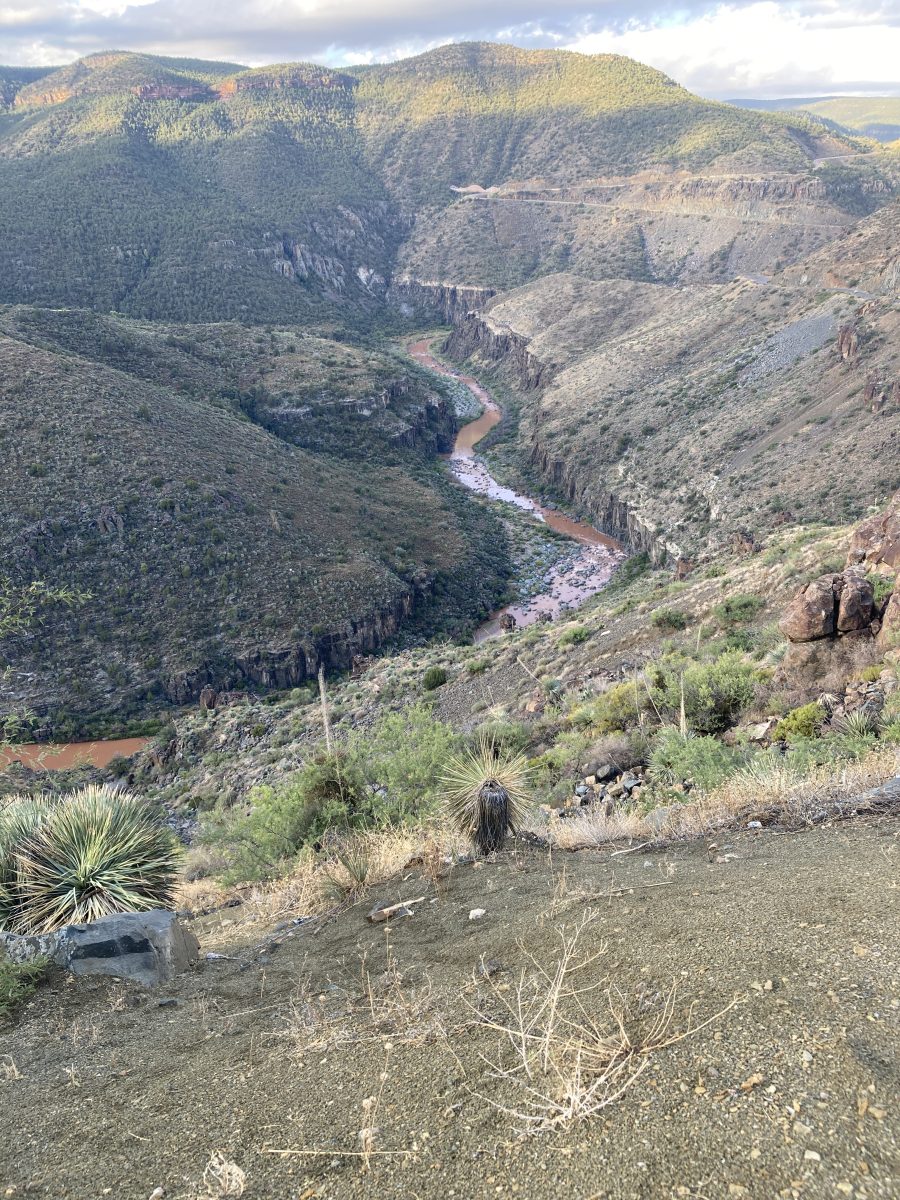
This is wild country by anyone’s definition with wide sweeping switchbacks defining the steep gradients that gradually take you down and across the Salt River below.
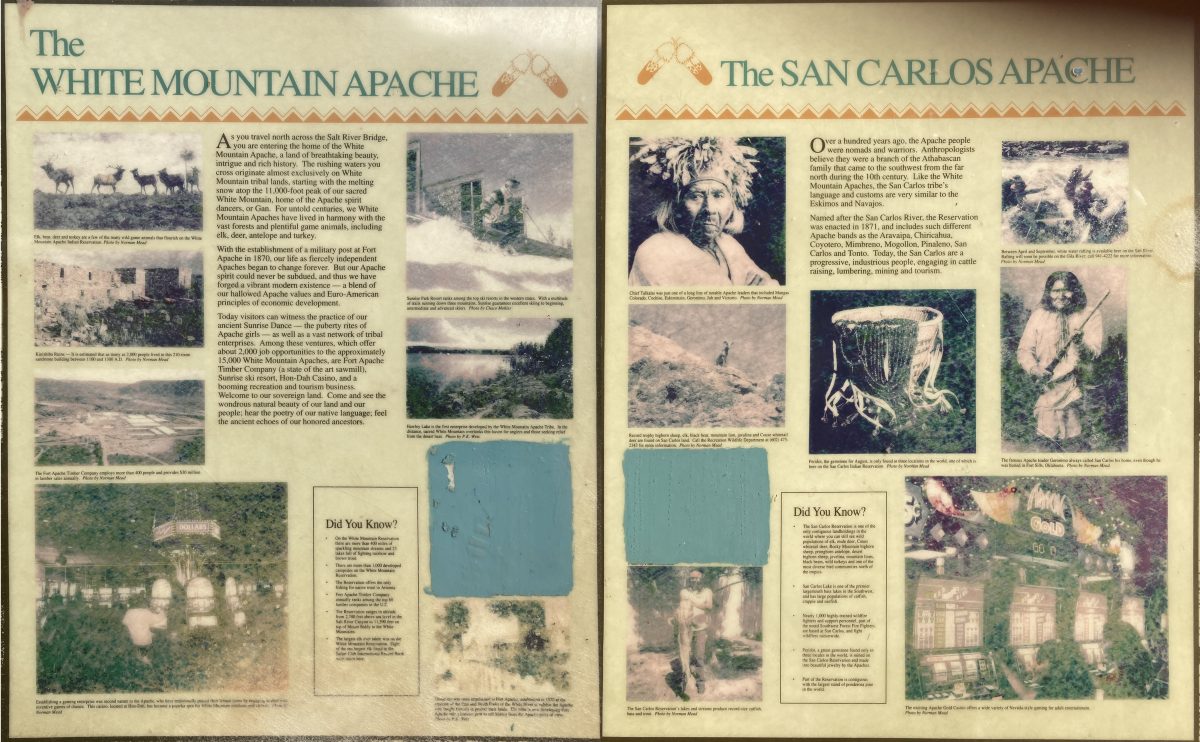
Home of the White Mountain Apache to the west and the San Carlos Apache to the east.
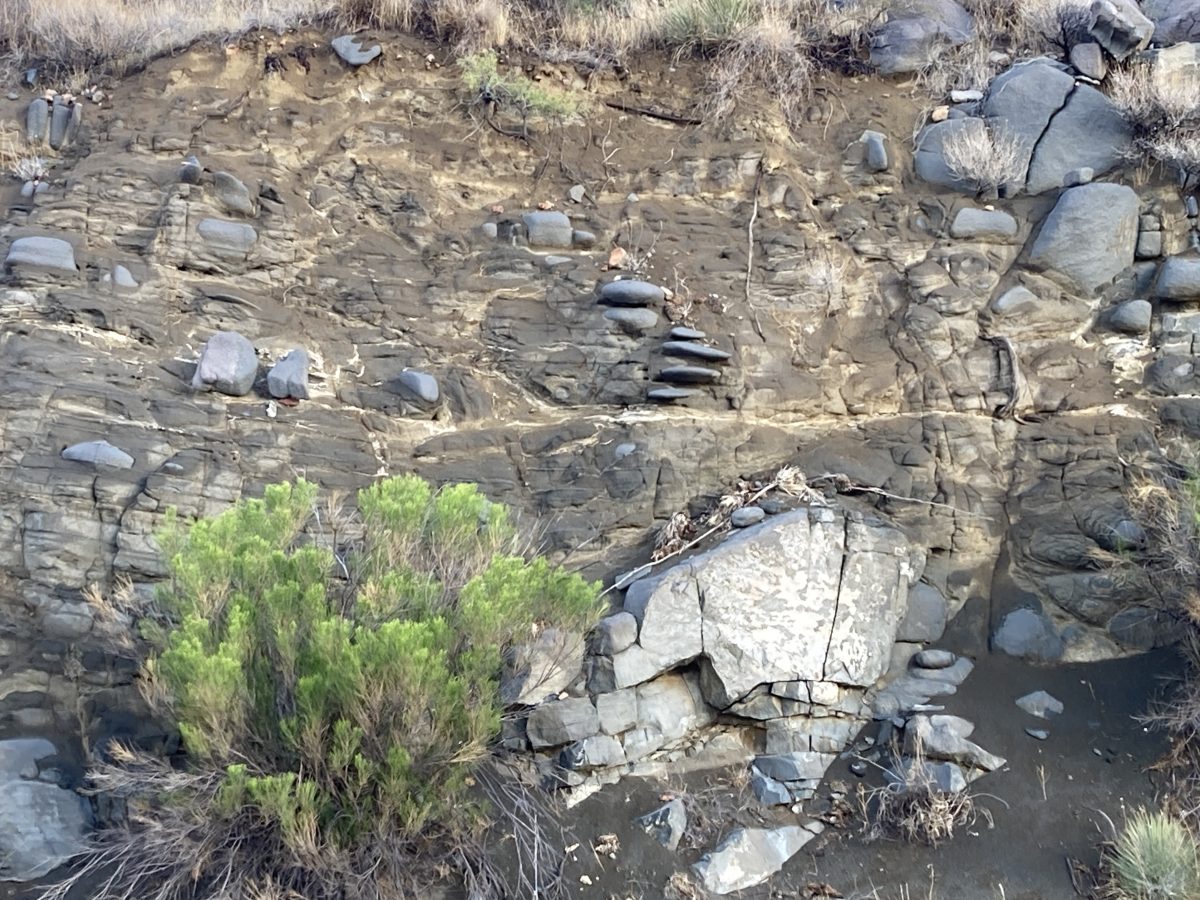
I won’t get into all the geology here–as no one really understands it completely. There are huge unconformities with missing sequences spanning 1.4B years. Older sequences overlay younger ones (like in Glacier National Park with the Lewis Overthrust). I think these darker rocks are an old weathered diabase dike: Here are one, two, three and four geological papers describing this incredible country. Three shows this diabase dike and four shows a comprehensive paper on the entire Stratigraphy of the Dripping Springs Quartzite. Fascinating stuff!
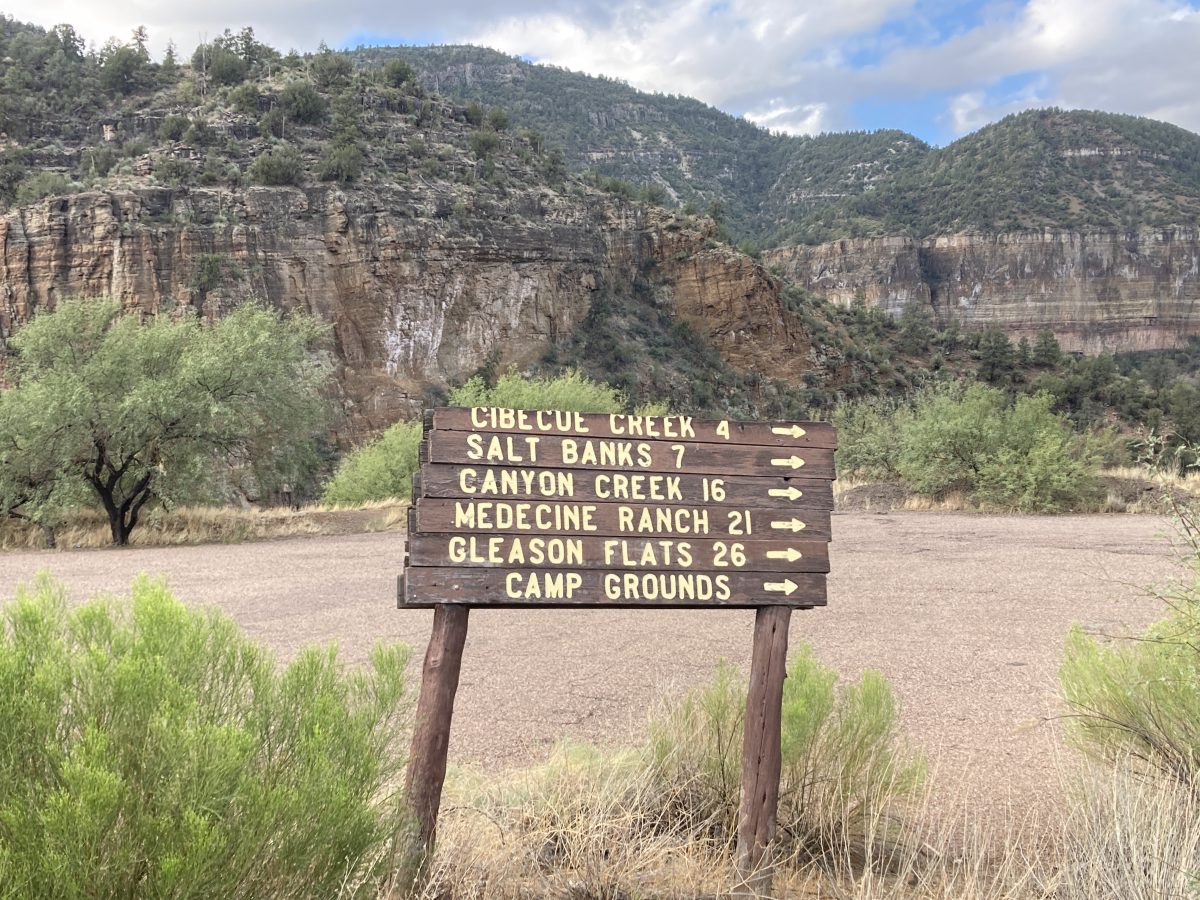
At the canyon bottom is this sign–can’t wait to see what’s at the trail’s end…..
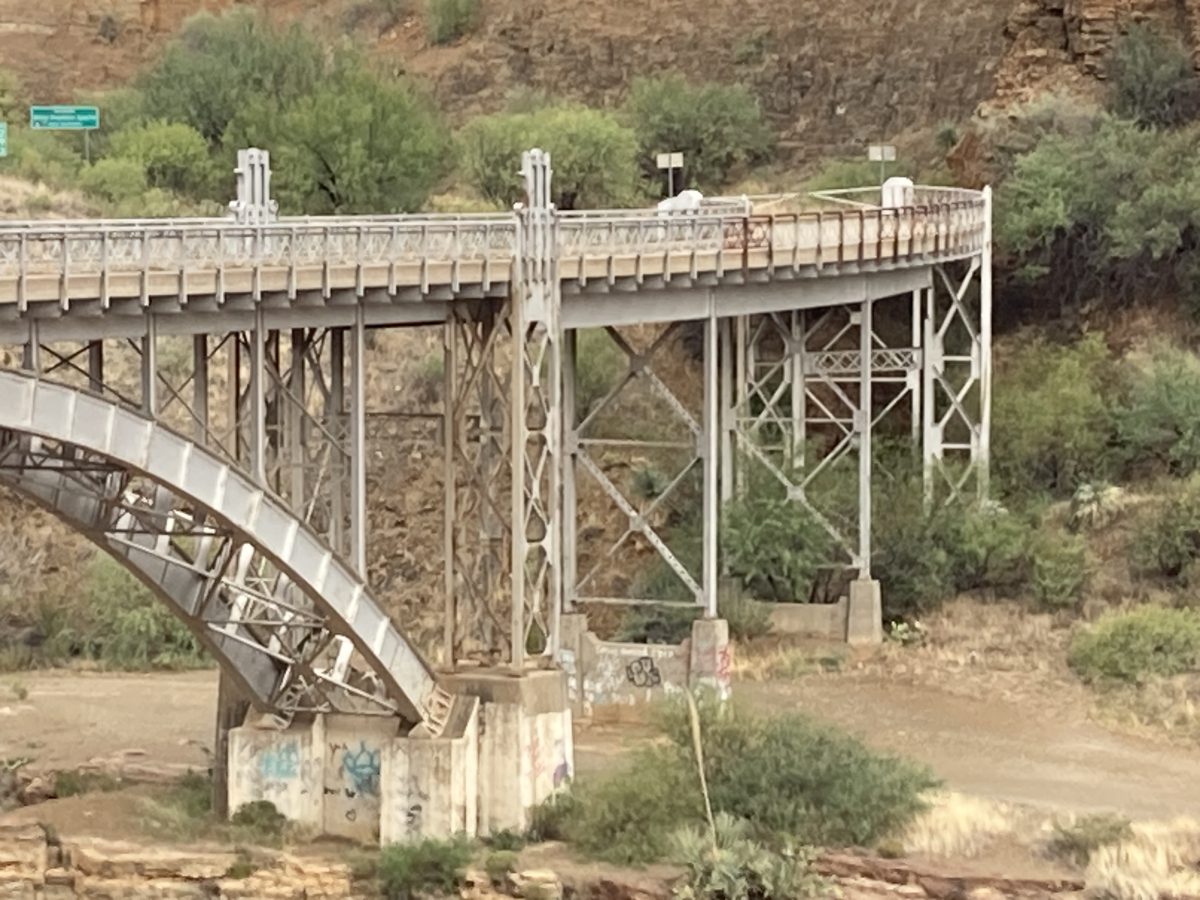
And this Art-Deco bridge, built in 1933. It was one of the first filigree adorned bridges built in Arizona and has stood the test of time by receiving a restoration as a foot-bridge after a more modern bridge replaced it in 1996. This original bridge was built during the New Deal era but I haven’t tied it into the PWA (Public Works Administration = large projects) or the WPA (Works Progress Administration = small projects) yet.
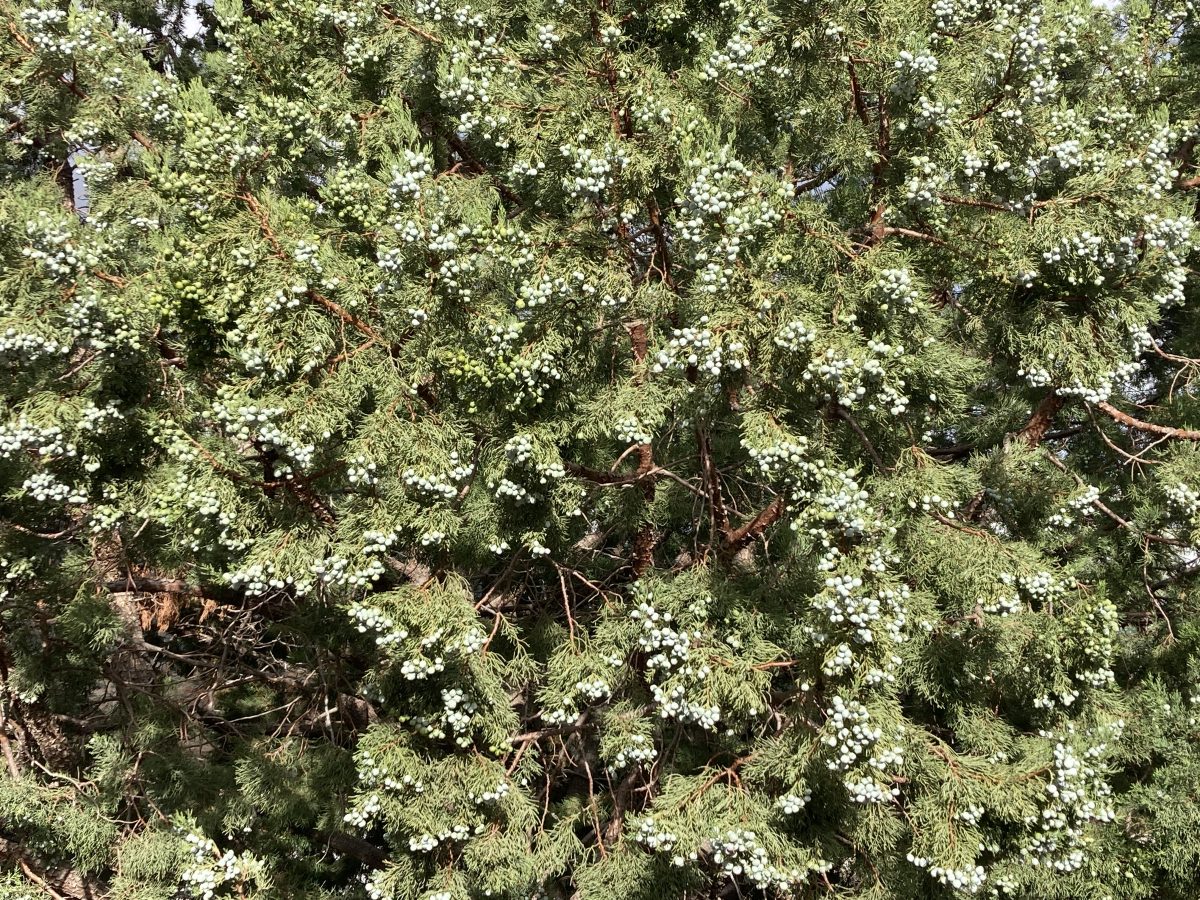
While admiring this magnificent bridge, my nose twitches and I discover the source of the most fragrant essence to waft down the Salt River Canyon since Cochise and Geronimo…..that of the noble juniper berry which of course is often used in certain spirits as a flavoring. One in particular–the evil gin! It gives me pause that if I scurry south on Route 60, I may make the Gin & Tonic cocktail hour at 5 o’clock sharp!
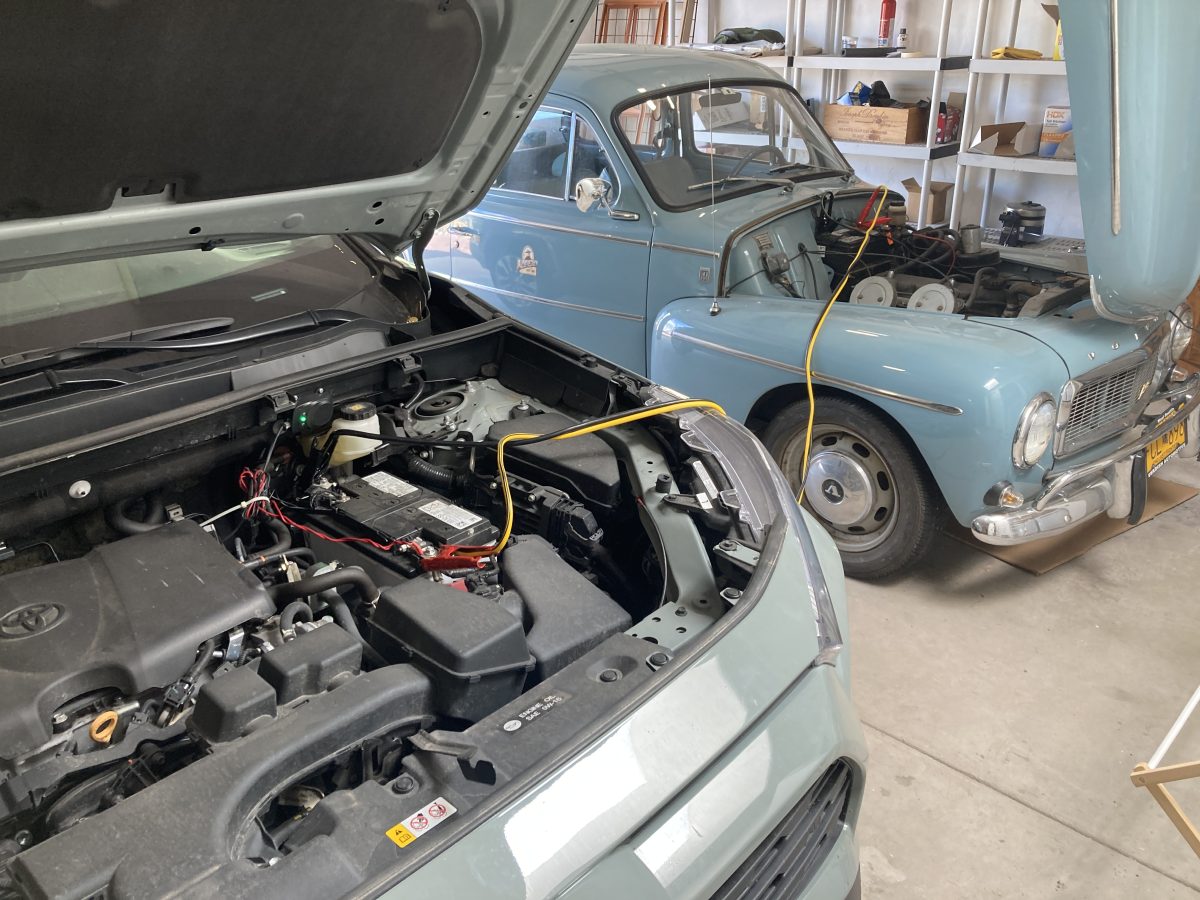
Tucson is still hot–and for two weeks now, has surpassed 100F each day and has plateaued at 109F two times. My batteries (all in the house and cars) are dead. The 1965 Volvo started right up! But with a completely dead battery (unrecoverable) a jump cannot provide the actual 12.0VDC needed to start modern cars. Ditto for Yamaha boat engines–and I’ve rowed a long ways after idling/trolling and running down below this magical number of 12.
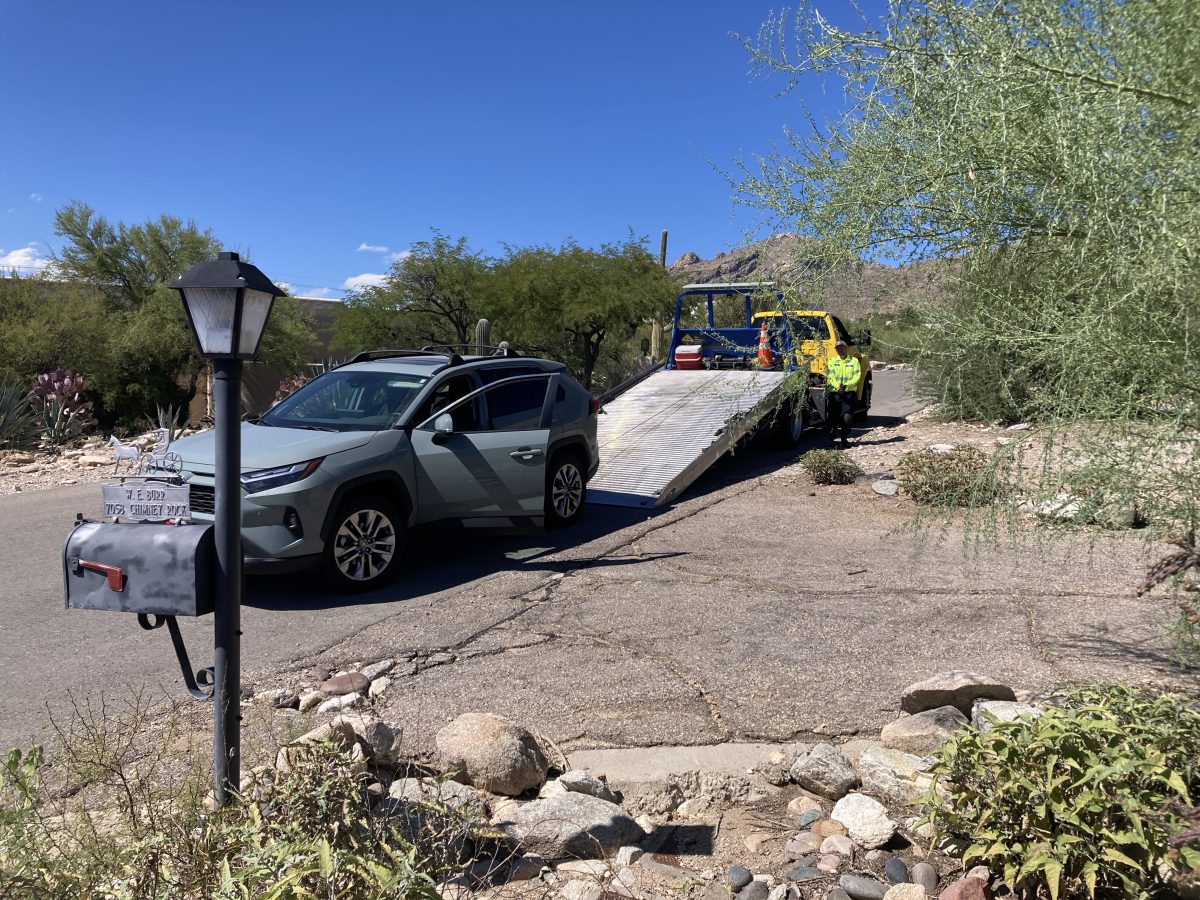
Toyota, in all their engineering stupidity, er……., sophistication have 52 computer chips constantly running when you’re away (I added two more pack-rat detectors) so a dead battery in heat is destroyed. This RAV requires an iPhone to work. Fortunately I purchased the “bumper to bumper warranty” so it’s on Toyota’s nickel and will continue to be each year I own this car. And these new batteries aren’t cheap. Everything utilizing batteries in the house also failed including a multimeter, laser temp gauge and even the thermometer itself–pegging out at 99F.
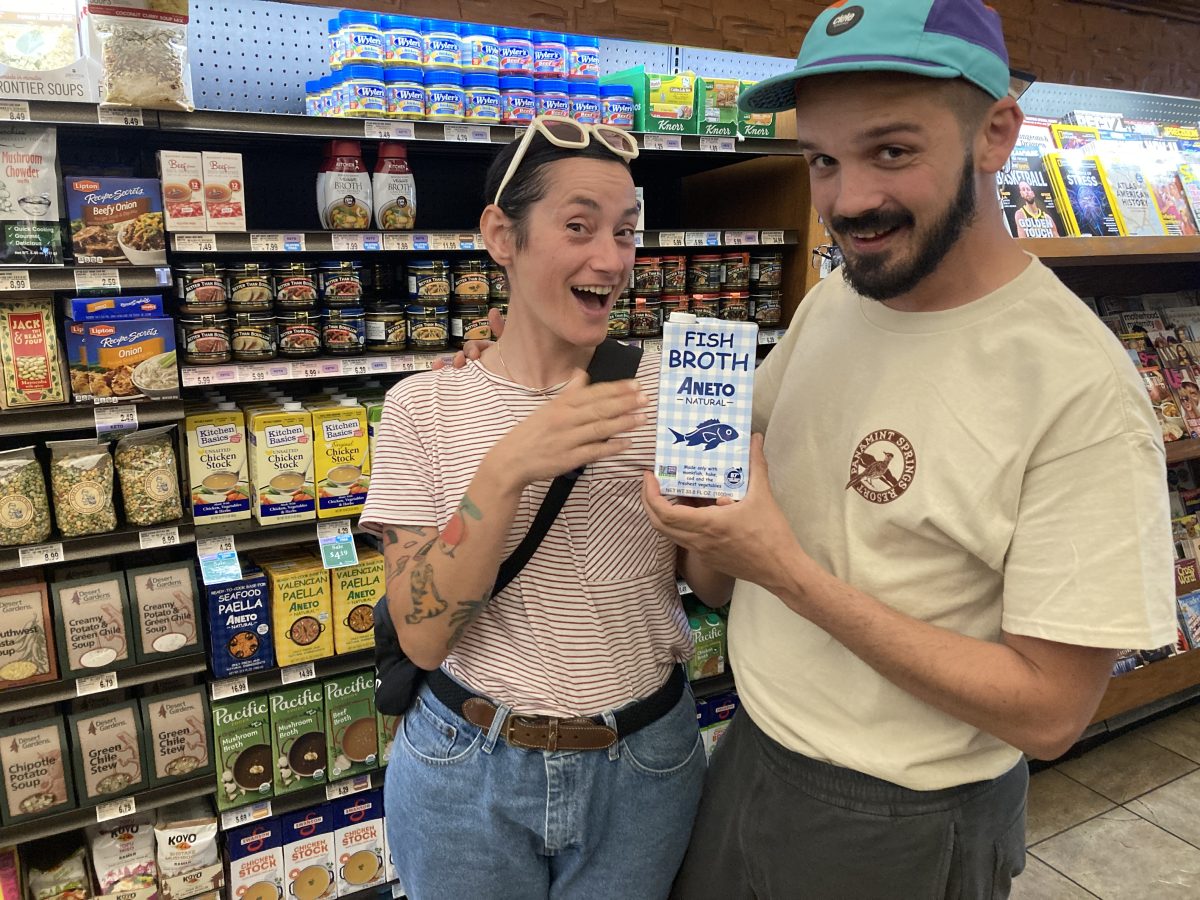
I promised Paella. It’s a specialty in the Spanish culture. Now, I have this devoted art-illustrator fan who has been communicating with me for a couple years. Mar lives in Barcelona with her partner, Frank. Frank is a professional chef. They’ve made a couple trips to the SW touring all our parks and wanted to drop by…..from Death Valley…..so took a day out of their schedule to jump back out of the fire and into the frying pan…so to speak. They insisted on cooking me a nice Catalonian dinner so what could I do but jump to the occasion and also to the piano bench where I performed Catalonian composer Federico Mompou’s Impressiones Intemas–El Secreto. A Catalonian dinner! Well, we poured some wine and began the cooking lessons
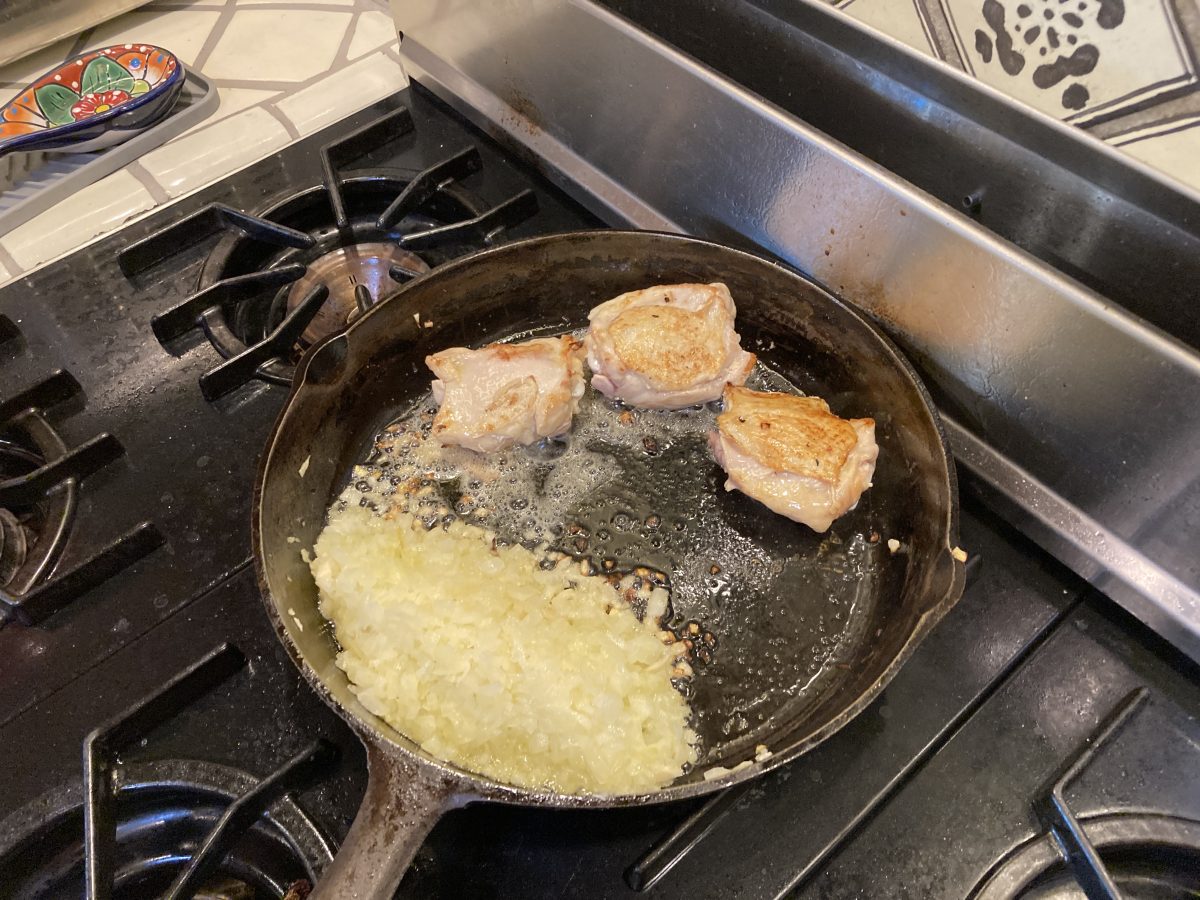
OK–here is Frank’s recipe……. after a short trip downhill to AJ’s deli/market that has everything you can imagine from across the world……..he first chops these Walla-Walla sweets in 30 seconds or less and then fries the prawns and chicken and then sets aside. Next, roma tomatoes join the onion for the next half hour before the fish broth and paella rice (photo above) are added.
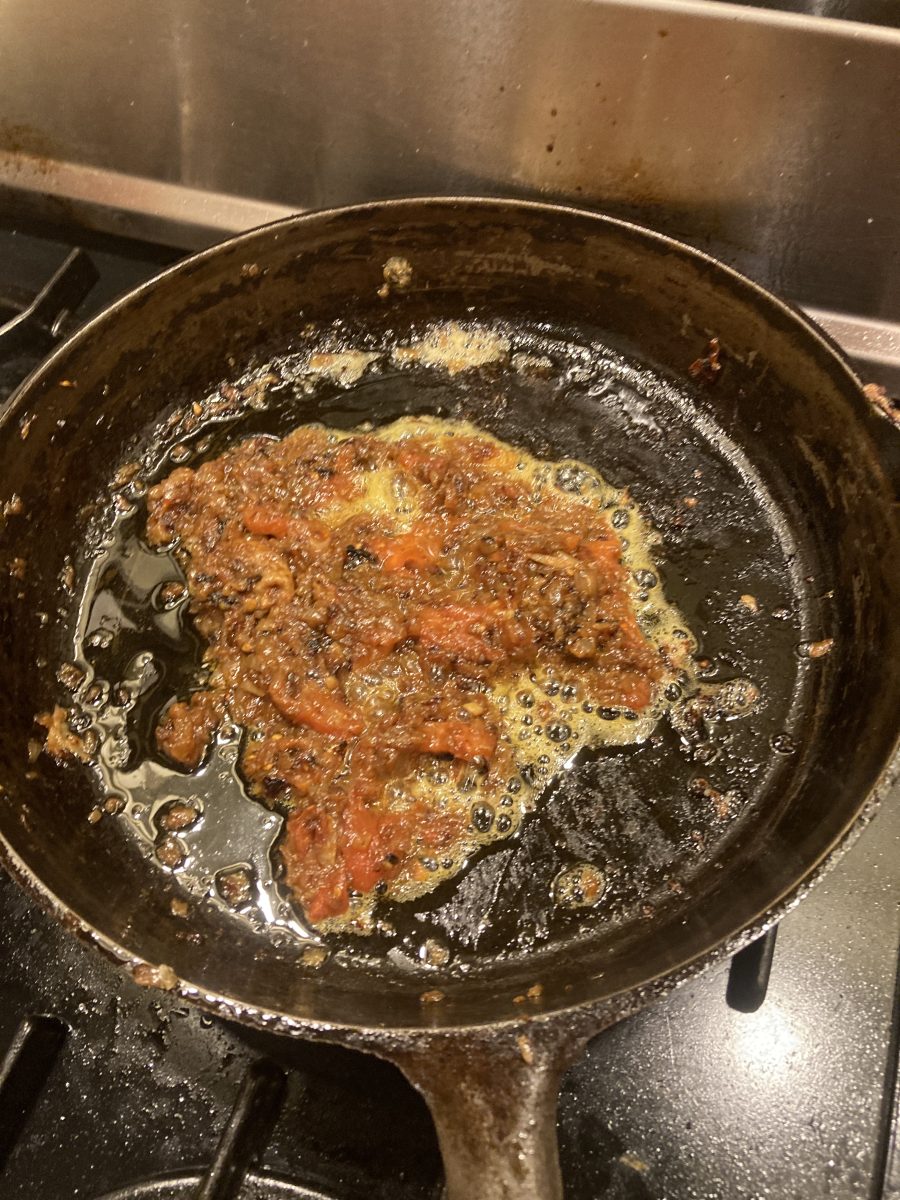
45 minutes later still simmering. Roma tomato–skinned and diced incorporated into the fully caramelized onion.
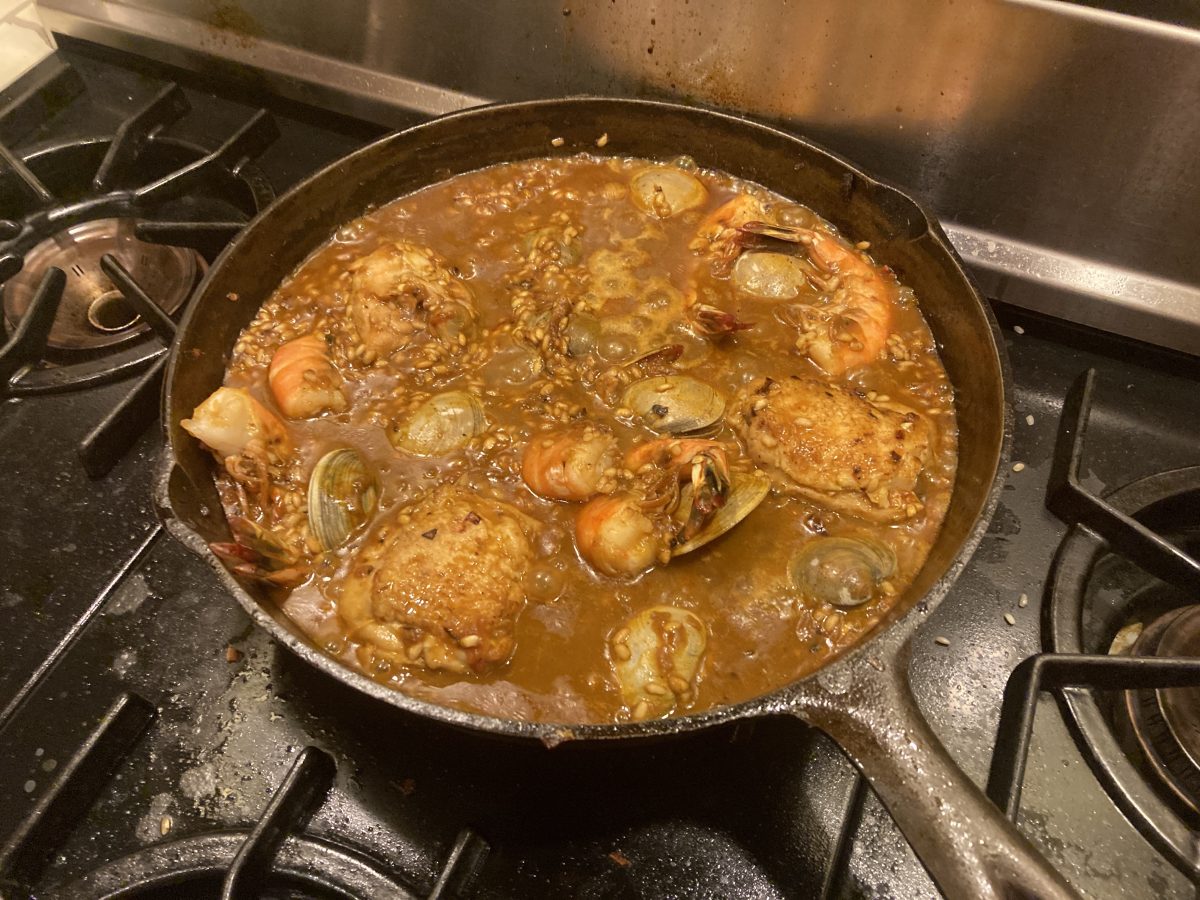
Fish broth, paella rice, saffron and simmer…….adding the chicken and prawns…….delicious!
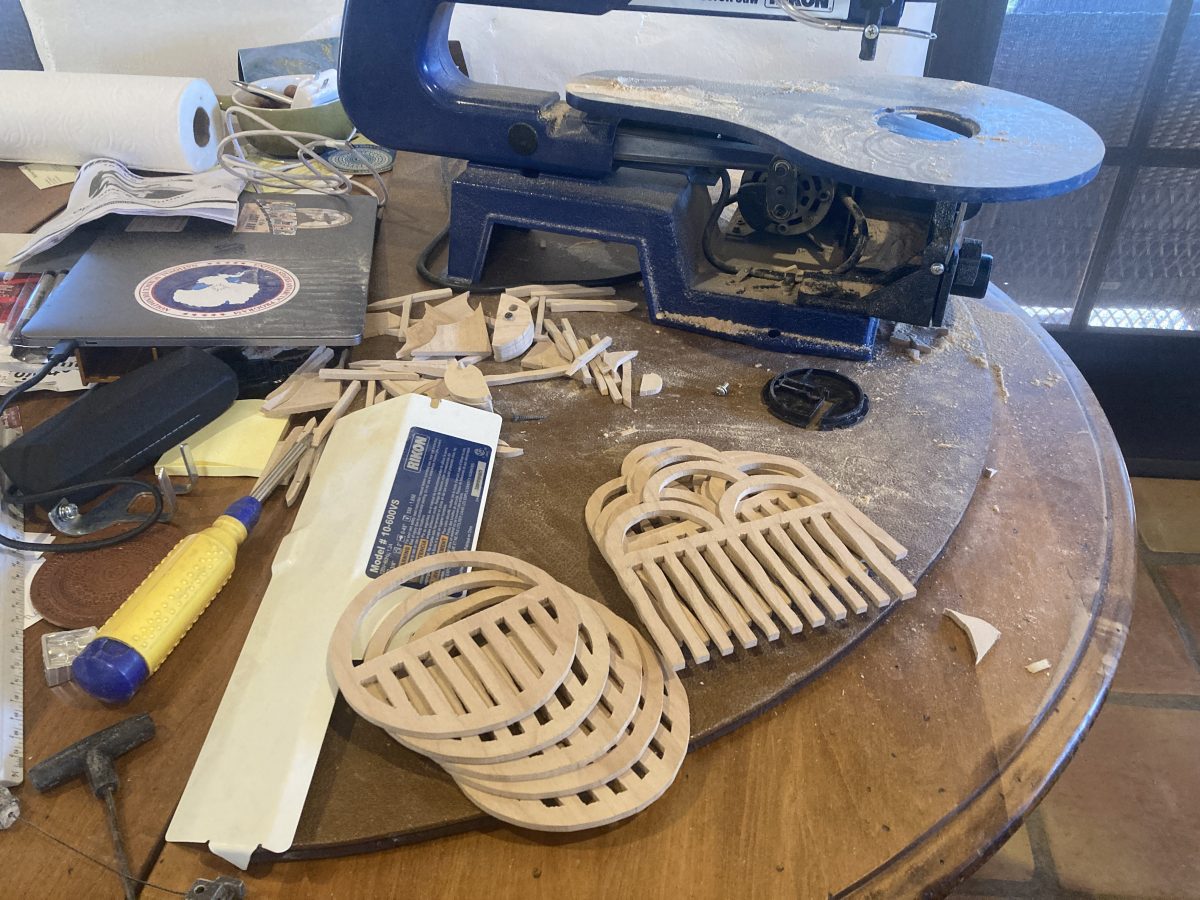
My first “winter project.” These are 1930-art-deco style Apache rain clouds. Use your imagination. Thomas Molesworth–one of my artistic heroes–put these on furniture as motifs. I have two cabinets built by good friend and master craftsman Lester Santos in Cody, Wyoming. But Lester didn’t have the time to make all this detailed stuff so I purchase this cheap scroll saw and go to work.
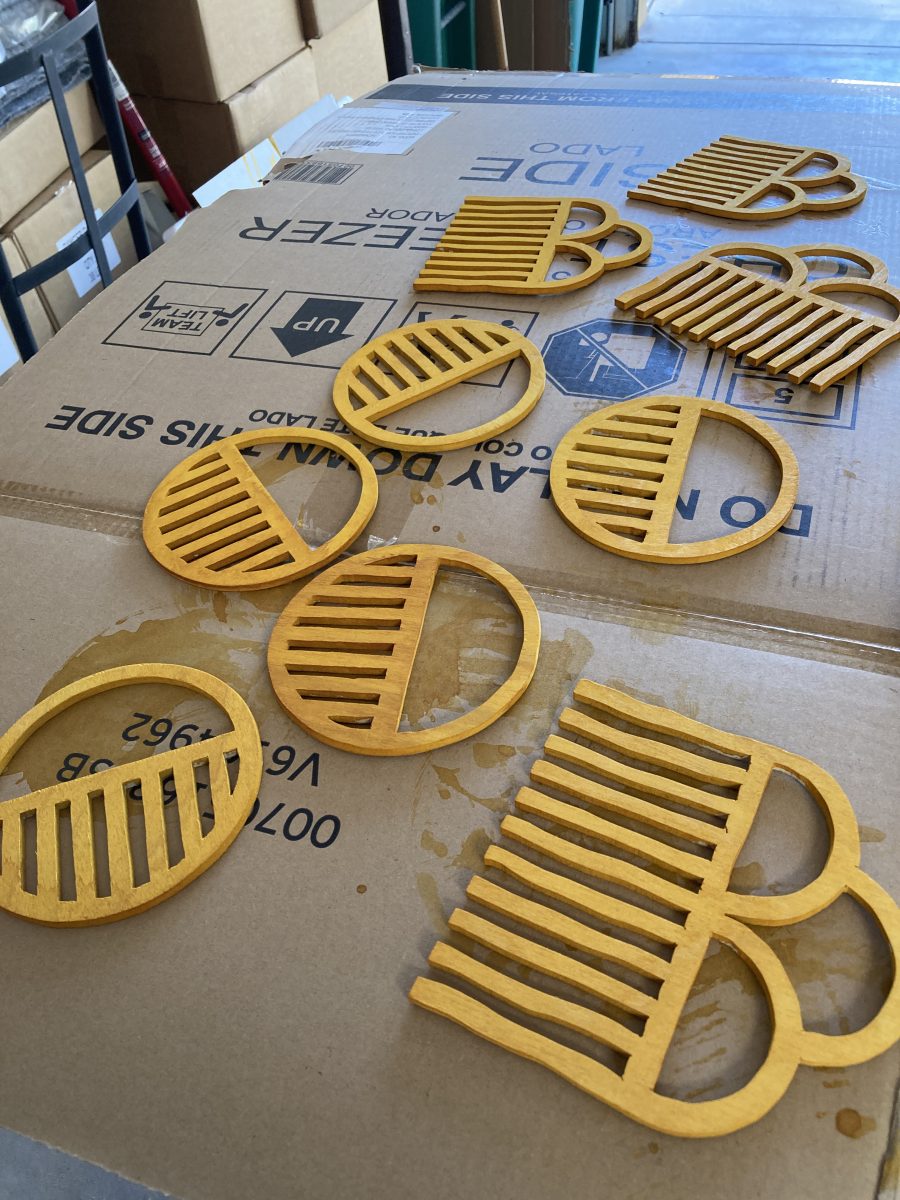
Sanded, stained and lacquered. The “rain” on the triple clouds is stormy/wavy but the drizzle in the single clouds comes straight down. That’s what Molesworth says.
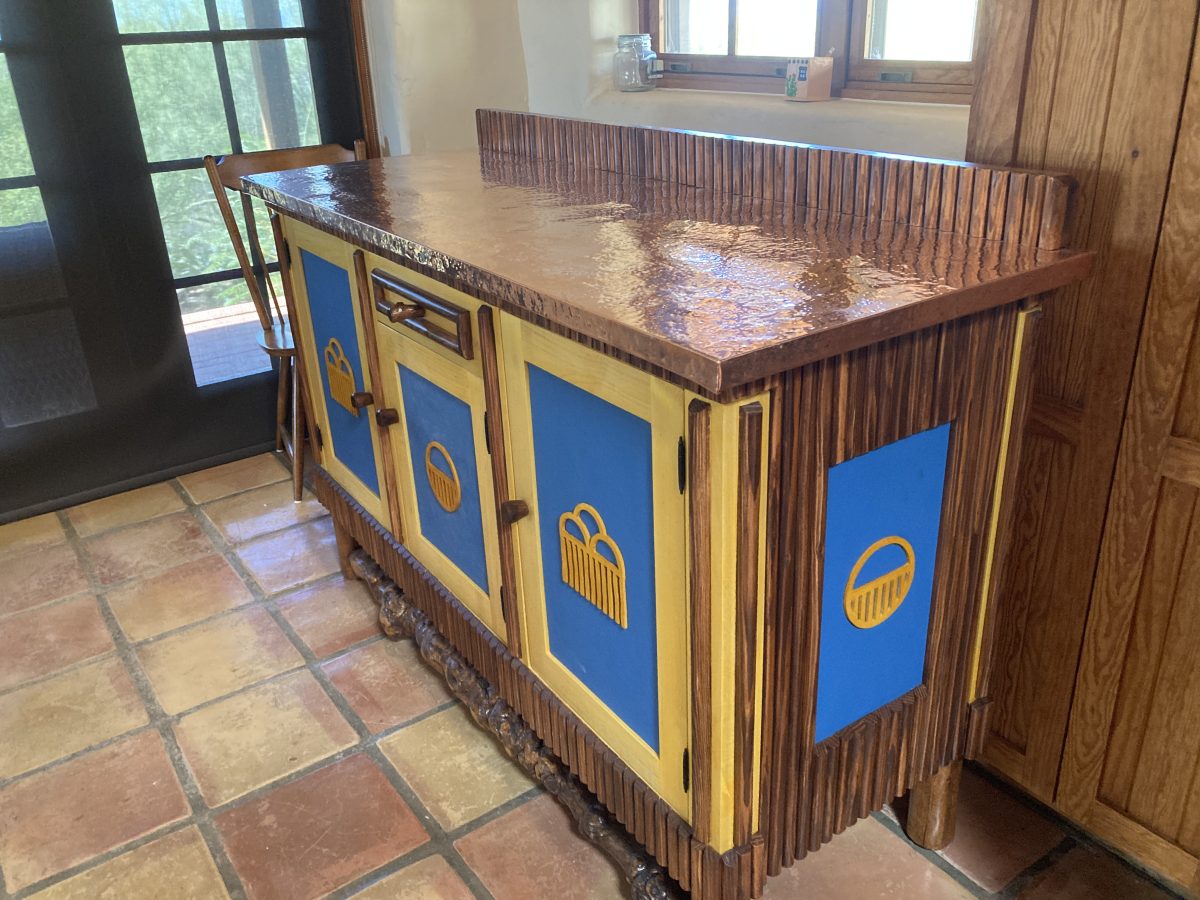
And applied to one of these cabinets. Now you can see the clouds and the rain. Copper top for serving hot items. Dining table is next! Visit Lester Santos here–a real renaissance man. He started out as a harpsichord builder (also guitars) and ended up repairing Thomas Molesworth furniture after buying Molesworth’s house and shop. There wasn’t much of a market for harpsichords in Wyoming. The rest is history as they say.
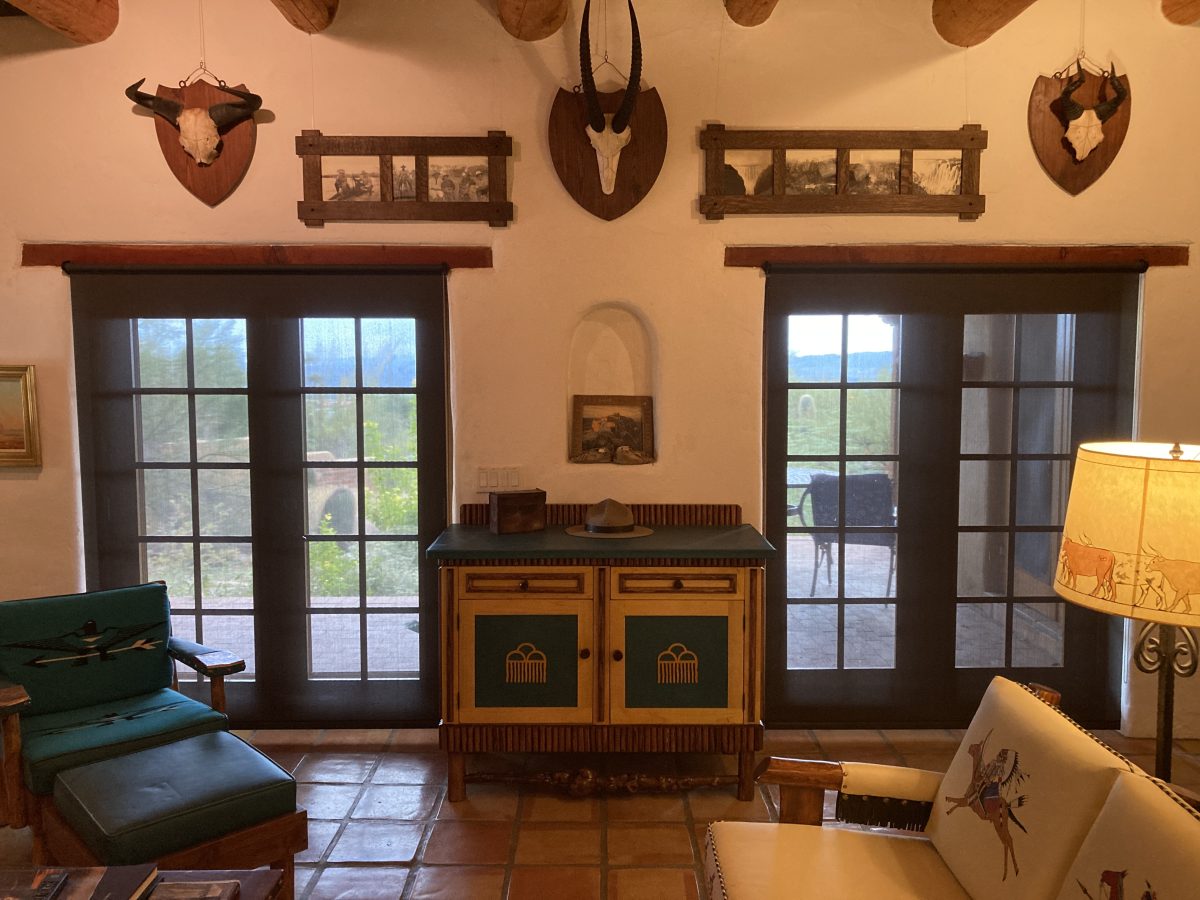
Here’s a smaller cabinet across the room with the same motifs and Grandad’s African heads (Wildebeast, Roan Antelope, Hartabeast) and photos of his 1904-5 Rhodesian trip finally framed and hung on the “African Wall.” Grandad–my logo for Ranger Doug’s Enterprises–jumped on a tramp steamer in 1904 on his 18th birthday and spent two years building the Cape-to-Cairo Railroad but that’s another post. Slowly getting furnished here in Tucson…..Stay tuned!